High-Calorific Refuse Derived Fuel (RDF) & Co-Processing
Supplying precision-shredded, low-chlorine alternative fuel fluff and dense briquettes with Gross Calorific Value (GCV) >3,800 to 4,200 kcal/kg, enabling 15% to 25% thermal coal replacement in heavy industry with zero bottom ash and statutory Category III CPCB destruction certificates.
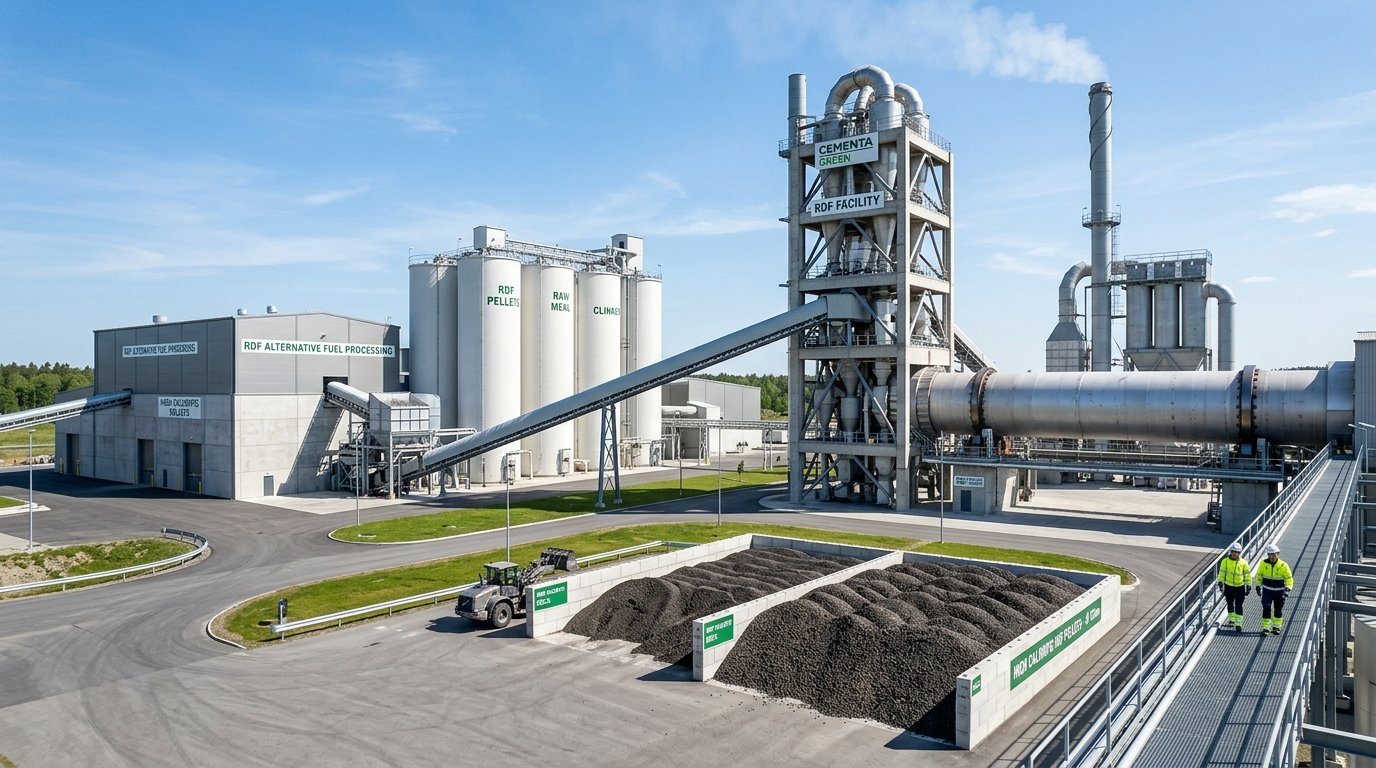
Step-by-Step Operational Workflow
A fully digitized lifecycle ensuring regulatory compliance, verified mass balance, and zero margin for error.
High-Calorific Fraction Extraction
Automated sorting of combustible multilayer plastics, packaging films, and contaminated dry paper from municipal MRFs.
High EnergyMulti-Stage Shredding & De-Stoning
High-torque primary and secondary shredding down to <30mm fluff, followed by ballistic air classification to remove stones and inert debris.
Uniform FluffThermal Drying & Chlorine Testing
Rotary dryer moisture extraction below 12% and laboratory testing ensuring chloride concentrations remain below 0.5%.
Refractory SafeDirect Pneumatic Off-Take & Credit Signing
Enclosed bulk carrier transport to kiln pre-calciners with online CPCB destruction certificates issued for Category III obligations.
Zero AshWhat's Included in Your Service Contract
Every client engagement executed by SHRISTIYAM COMPLIANCE SOLUTIONS PRIVATE LIMITED includes complete audit trails, verified documentation, and statutory legal defense.
Request Industrial RDF Supply Contract
Inquire about annual bulk off-take contracts, thermal substitution rates, and sample laboratory testing parameters.
Frequently Asked Questions
Key technical and statutory guidance regarding Industrial Refuse Derived Fuel (RDF) & Thermal Co-Processing.
Our engineered industrial RDF meets ASTM D5865 standards with a guaranteed Gross Calorific Value (GCV) between 3,800 and 4,200 kcal/kg, moisture content strictly below 12%, and chlorine levels under 0.5% (Cl < 0.5%) to safeguard refractory linings in cement kilns. Every bulk dispatch includes batch laboratory testing reports.
RDF replaces 15% to 25% of costly imported fossil coal, significantly reducing operational fuel expenditures. Because plastic combustion ash is absorbed into cement clinker minerals, there is zero residual ash disposal. Environmentally, kilns achieve significant Scope 1 carbon emission reductions and earn alternative fuel thermal substitution credits.
Yes. With a multi-state network of automated MRFs and shredding hubs, we maintain dedicated supply contracts up to 5,000 MT/month with buffer stockpiles ensuring uninterrupted pneumatic feeding at the kiln site.
Yes. Under CPCB PWM Rules, non-recyclable Category III plastic packaging can only be legally neutralized through certified thermal co-processing or waste-to-energy. Our co-processing contracts generate direct, audit-proof Category III disposal credits.
Blogs of SHRISTIYAM
Authoritative research, regulatory updates, and circular economy intelligence from SHRISTIYAM.
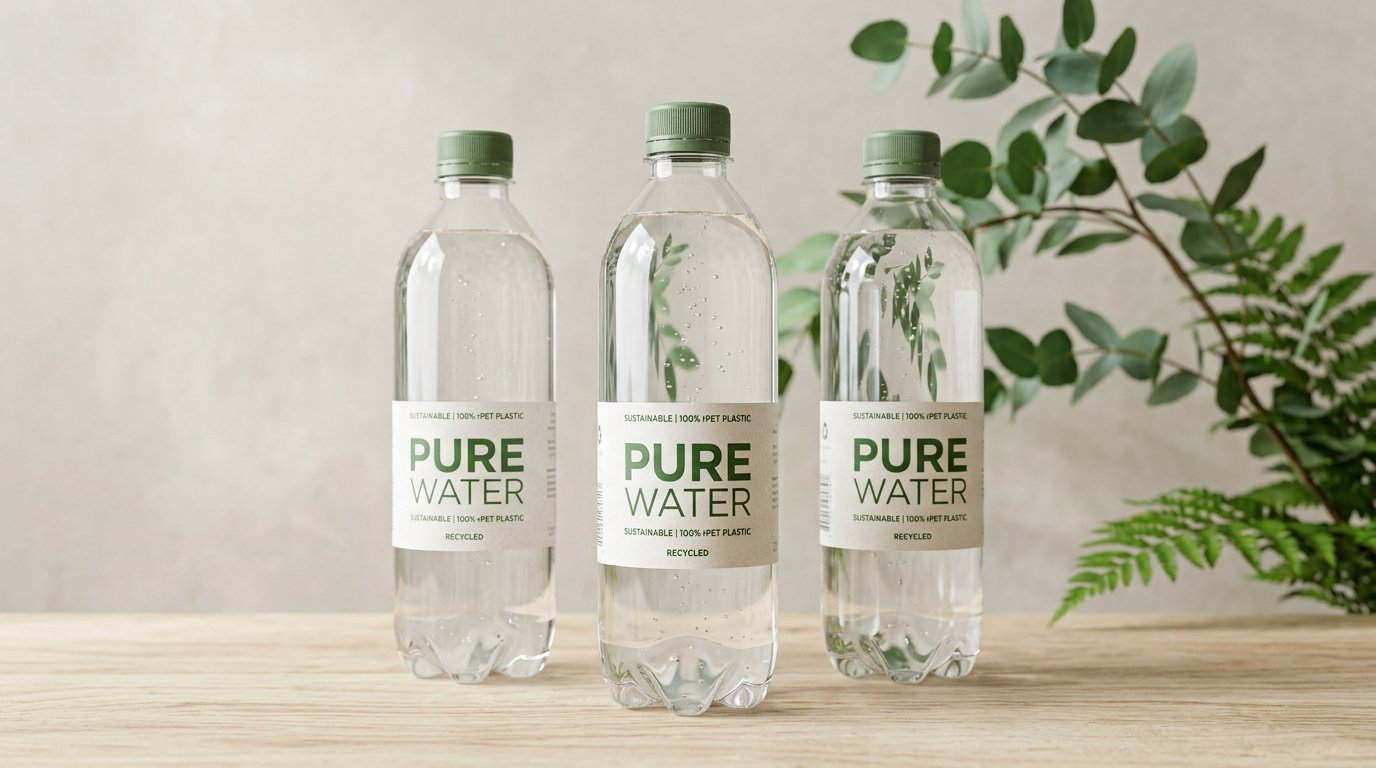
Navigating New EPR Mandates: A Strategic Roadmap for Enterprise FMCG Brands
How progressive enterprise brands are transitioning from compliance risk to value creation by integrating food-grad...
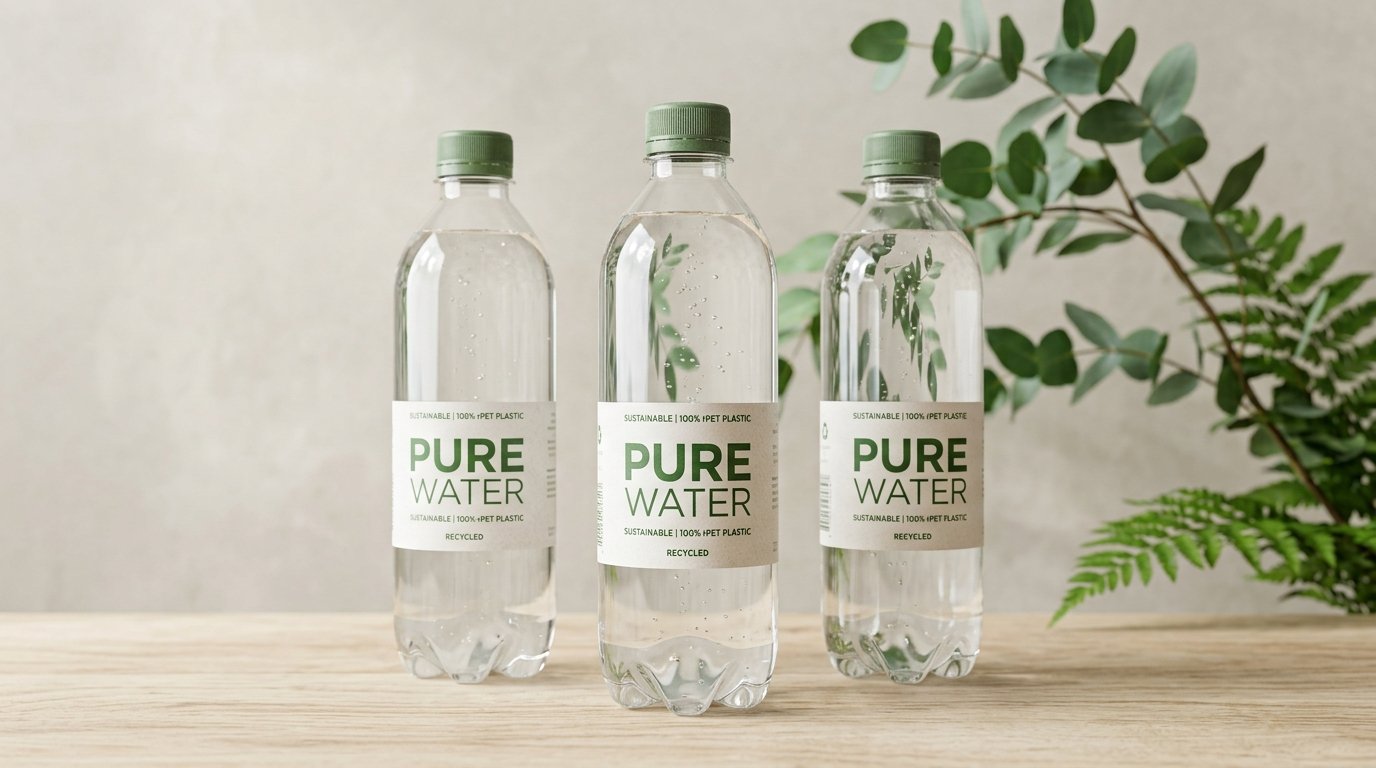
Overcoming Intrinsic Viscosity Loss in High-Performance rPET
Exploring solid-state polycondensation (SSP) and vacuum degassing techniques that maintain structural clarity in re...
Understanding Category I vs. Category II Statutory Targets
A breakdown of recycling quotas, verification obligations, and penalty mitigation across rigid and flexible polymer...